
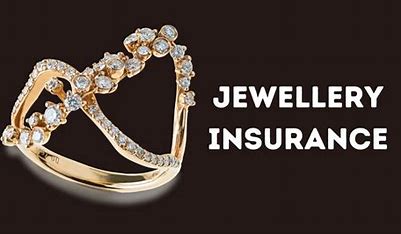
How To… Estimates, Insurance And Probate Valuations
Description
 At Cathedral Jewellers our goldsmith can help you with all your insurance valuations. We can answer your questions and advise you which Insurance Valuation you need.
In most cases the insurance valuation is £65.00 for the first item. Each subsequent item will be £15.00. Depending on how busy we are a valuation should take approximately 3 – 4 weeks.
How much is my jewellery worth?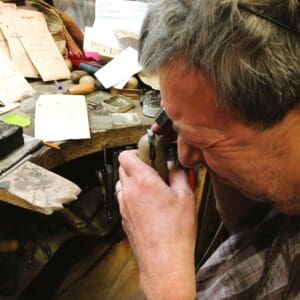
To insure your jewellery, sell it, or determine its value for probate after a loved one’s death, you will need an accurate understanding of its worth. This requires a jewellery valuation.
What is a jewellery valuation?
A jewellery valuation is more than just a document with a description and price. It is the result of a process completed by a knowledgeable jewellery appraiser. A valuation provides a complete description and verification of what the jewellery actually is, presented in the form of a printed document. It confirms the existence of the jewellery and offers a carefully considered determination of its correct ‘value’ for a particular purpose. Jewellery valuations may be needed in various situations, such as selling your jewellery, insuring it, or reporting its value to HMRC. A valuer professionally examines and appraises your jewellery, determining its monetary value for the appropriate market, at that point in time, for the specified purpose, function, and intended use.
What is included in a jewellery valuation report?
A jewellery valuation will be provided in the form of a report. This report ensures that all individual items can be clearly identified and replaced without undue hassle in the event of a claim. The report includes:
- Detailed and accurate descriptions of each item
- Photographs and assessments of the composition and quality of the jewellery
- A clear statement of the purpose of the valuation
The valuer is required to keep all research and notes created during the valuation process for six years following the work to ensure the valuation remains fully justifiable long after its original completion.
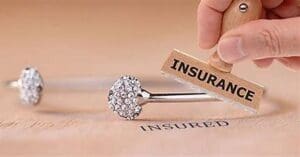
How is a jewellery valuation calculated?
A jewellery valuation is described as the sum of all its parts, generated from market-based research on the item as a whole. It may or may not include allowances for defects or wear and tear depending on the nature of the valuation completed. Every aspect of the item needs to be scrutinised, assessed, identified, measured, weighed, photographed, and finally valued. Appropriate market research must be meticulously conducted to arrive at the correct monetary value, regardless of whether it is a low-value item, an item with great sentimental value to the owner, or a highly prized, rare, and unusual piece.
What happens if I don’t get my jewellery valued?
The primary risk is underinsurance; you may not receive adequate compensation for your loss. You might find yourself unable to replace your jewellery, watch, or silverware with an item of comparable size and quality without incurring additional costs. Alternatively, lost items may not be covered by your insurance policy at all. Although sales receipts, photographs, or a personal inventory may assist, there is no real substitute for a professional valuation that provides comprehensive information and reassurance needed by an insurance company to properly insure and settle a claim following loss.
What happens if I’ve lost my jewellery?
Even though an item may be worn daily until it is lost, most individuals find it difficult to describe the item exactly from memory, especially regarding quality factors. Even if covered under a household insurance policy, convincing the Loss Adjuster of its existence and true value may be challenging. Keep all receipts, take pictures and any information on your jewellery.
How often should I have my jewellery valued?
Due to inflation, increasing material prices, and exchange rates, it is recommended to have your jewellery valued regularly, at least every three to five years. Your insurance company may specify how frequently your jewellery needs to be revalued and the settings and condition of the item assessed, so it’s important to check your policy. For new purchases, a till receipt from the point of purchase is often initially acceptable to the insurer.
What will a jewellery valuer ask me?
Once our jeweller has established the purpose and intended use of the valuation, they will request relevant information about the item. This includes any previous valuations, gemstone and diamond reports or certificates, till receipts, or other pertinent documents. We will also inquire about any specific instructions on how you’d prefer the item to be assessed to ensure the valuation best suits your requirements. If you are unsure which type of valuation best fits your needs, we will happily discuss it further. Sometimes, items of jewellery can surprise even the most experienced valuers and may take longer to value than expected.
At Cathedral Jewellers We offer:
- Insurance Valuation: For Itemised Jewellery (For lost or damaged Items)
An insurance valuation is necessary to ensure coverage and facilitate the claims process in the event of loss or damage to your jewellery. The valuation provides the current value of your items and includes detailed descriptions of each piece, including metal, stones, unique features such as carat, colour, clarity, and pictures to ensure a replica can be made as accurately as possible. In the event of a claim, a valuation serves as proof of the item’s value, helping to ensure you receive the appropriate pay-out to replace the lost or damaged item. With a detailed valuation, your items can match the original specifications in size, quality, and value. Without a current valuation, you risk being underinsured. As the price of metal and stones fluctuates, it is advisable to have your jewellery appraised regularly to ensure your coverage remains sufficient.
2. Estimate For Insurance Valuation: For Jewellery Items Without An Existing Insurance Valuation
Without a previous valuation, our goldsmith can estimate the current value of your jewellery. We rely on any information you may have, including sales receipts and pictures, but ultimately depend on your description. With this, we can calculate an estimated value, although it may lack a picture compared to the comprehensive description above.
3. Jewellery valuation to sell
When planning to sell an item of jewellery, obtaining a valuation informs you of potential realisable values. An independent and unbiased assessment reassures you that the sale price is fair and mutually acceptable. Valuers can also offer advice on the best places to sell your items. While we do not sell ‘second-hand’ jewellery, we can provide valuations based on metal and stone value.
4. Valuation For Insurance Replacement
Have you been asked for a jewellery valuation? Do you need to know the worth of your engagement ring? Or have you wondered what makes a Rolex valuable? A jewellery valuation is more than just a document with a description and price—it is a detailed process completed by knowledgeable jewellery appraisers. A valuation provides a comprehensive description and verification of the jewellery, confirmed in a printed document. It verifies the existence of the jewellery and offers a carefully considered determination of its correct value for a particular purpose. Jewellery valuations are needed in various circumstances, such as selling jewellery, insuring jewellery, or reporting its value to HMRC.
Our jeweller will professionally examine and appraise your items, then determine the correct monetary value for the appropriate market at that time and for the specified purpose and intended use.
5. Confirmation Letter
This letter may be required to prove to your insurance company that, as of the specified date, your ring and its components are fit for purpose and confirms that all claws and stones are secure.
6. Valuation For Sales Between Parties
This valuation may be needed for various life events, such as divorce, sorting out heritage jewellery to leave to family (if not decided by probate), or transactions between friends.
7. Probate
Jewellery is one of the assets HMRC requires to be valued and included for inheritance tax purposes. When valuing an estate for probate, the executor must include jewellery owned by the deceased. Our probate jewellery valuation is determined by the likely sum achieved at auction or by selling the jewellery to the trade. Factors considered in this assessment include:
- Quality
- Age
- Condition
- Precious metal value
- Industry trends/tastes
- State of wear
Note that this probate valuation does not include a photograph.
Please enquire if there is any other services you require.
Delivery to UK Mainland only.
Shipping cost £9.95
Orders placed before 1pm Tuesday-Friday to guarantee next-day delivery.
Orders placed Saturday, Sunday and Monday will arrive on a Wednesday.